
When a student isn’t thriving in a local school setting, families may begin exploring private education. Two common options are a private day school and a private boarding school. Both can offer a focused academic environment, but they differ in how students spend their days, where they live, and how school and family life fit together.
There’s no universally right answer to boarding school vs. day school. The best choice depends on the student’s learning needs, interests, relationships, readiness for independence, and long-term goals.
Boarding schools also differ in their academic approach and the level of support they provide. Some emphasize a highly demanding workload and expect students to manage much of it independently. Others focus on helping students build academic skills, confidence, and positive habits while working toward greater rigor. Families can ask how each school balances challenge with guidance, and what support looks like in practice.
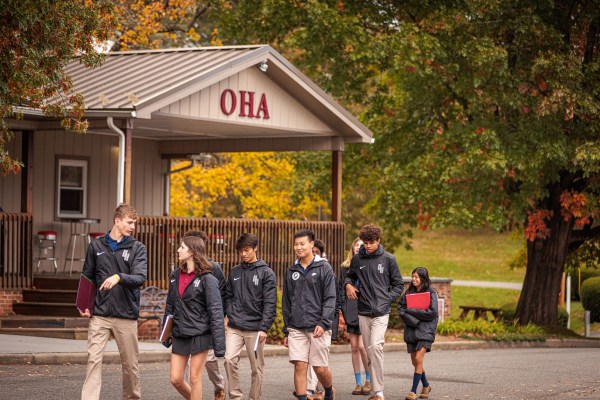
Oak Hill Academy is a co-ed, college-preparatory boarding school in Virginia for students in grades 8–12. With an average of nine students per classroom and a structured residential community, Oak Hill offers an environment designed to support students’ academic, social, and personal growth.
Students benefit from a personal approach that includes teachers’ office hours, tutorials, and resident managers who encourage routines and positive habits. The small campus community also helps students build familiarity and cooperation. As students experience success, they can begin to develop greater confidence in their abilities.
Boarding School vs. Private Day School at a Glance
Daily Routine
Private Day School: Students attend classes and activities, then return home each day.
Private Boarding School: Classes, activities, meals, study time, and residential life are part of a campus-based routine.
Academic Support
Private Day School: Support is typically provided during the school day; families may arrange additional help outside school.
Private Boarding School: Academic routines can extend beyond class, depending on the school’s program and available support.
Peer Relationships
Private Day School: Students build friendships at school and generally spend evenings at home.
Private Boarding School: Students share more of daily life with classmates and may develop a close-knit residential community.
Activities
Private Day School: Participation may depend on the school schedule and the student’s commute.
Private Boarding School: Activities and campus life can be woven into the residential schedule.
Family Involvement
Private Day School: Families are closely involved in daily routines, transportation, and after-school life.
Private Boarding School: Families remain engaged while students take on more responsibility for day-to-day routines.
Cost
Private Day School: Private school tuition generally covers education; transportation, meals, and other expenses may be separate.
Private Boarding School: Boarding school cost may include both education and residential services. Families should review each school’s full fee breakdown.
These are general distinctions, not guarantees. Programs vary, so ask each school how its schedule, support services, activities, and fees work in practice.
Daily Routines and Independence
At a day school, the school experience typically ends when a student leaves campus. This can suit students who benefit from returning home each afternoon, keeping familiar routines, and spending evenings with family. Parents may also remain closely involved in transportation, homework routines, and coordinating activities outside school.
At a boarding school, the school community and structure extend beyond classroom hours. Students follow a shared schedule and practice managing responsibilities such as preparing for the next day, using study time well, and living respectfully with others. This structure can help students build independence gradually, though living away from home is a significant adjustment for both students and families.
Oak Hill Academy describes its approach as structured independence. Families considering a residential school can ask what a typical weekday and weekend look like to get a clear picture of student life beyond the classroom.
Academic Support and College Preparation
Both private day schools and boarding schools may offer smaller classes, individualized instruction, or additional academic help. The important question is how a school responds when a student needs a different pace, more guidance, or a greater academic challenge. Ask how teachers communicate with families, what extra help is available, and how students are encouraged to take ownership of their learning.
A boarding environment can make it easier to carry academic routines through the day, since study periods may be part of campus life. At Oak Hill Academy, scheduled evening study hours help students make productive use of their time and practice balancing academics with social life, athletics, and clubs. Over time, students can build time-management skills and learn to shift between different responsibilities. These habits can serve them well in college.
College preparation is another important area to compare. Ask about course options, application guidance, and how students are supported as they plan for life after graduation.
Peer Relationships and Extracurricular Opportunities
A day school allows students to maintain strong connections with family, friends, teams, and activities in their home community. That continuity may be important to a student who thrives with familiar relationships and a full schedule outside school.
At a boarding school, peers share more everyday experiences, from meals and activities to study periods and residential life. This can help students form close friendships and learn from classmates with different backgrounds and perspectives. It also asks students to navigate shared spaces, respect others, and seek help when they need it.
A boarding school can also offer students a chance to join a community where many people are making a fresh start. Because students come from different places and may arrive at different points in their high school years, they may find fewer established expectations about who they are or what role they should play. At Oak Hill Academy, students join the school at different times rather than entering a fixed social hierarchy. Nearly 40% of Oak Hill Academy students come from outside the United States, bringing a wide range of backgrounds and perspectives to campus.
Many Oak Hill students say this welcoming, diverse community helps them feel more comfortable making personal changes. It can be difficult to grow in a setting where people already have strong expectations about who you are. A new environment may give students more room to explore their interests, build confidence, and decide for themselves who they want to become.
When comparing extracurricular options, ask which activities are available, how often they meet, whether beginners can participate, and how students balance activities with academics and downtime. Oak Hill Academy offers campus activities and clubs, including opportunities in the arts, athletics, and student leadership, whether students are experienced or exploring a new interest.
One Oak Hill student described feeling pressure to present different versions of herself in the classroom, with friends, on the athletic field, and at home. In a boarding community where students share more of their daily routines, she found it easier to be herself throughout the day. She described that experience as liberating and less stressful.
Every student’s experience is different, but these perspectives point to one potential benefit of a close-knit residential community: students may have more opportunities to build relationships and develop a sense of belonging across different parts of their lives.
Family Involvement and the Emotional Transition
Choosing a boarding school is not only an educational decision; it’s an emotional one, too. Students may feel excited about new opportunities and apprehensive about being away from home. Parents may share that mix of hope and concern. A thoughtful transition begins with honest conversations, clear expectations, and a plan for staying connected.
A day school keeps home routines at the center of daily life. Boarding school creates a different rhythm: students take on more responsibility on campus, while parents stay involved through communication with the school and regular check-ins with their child. Ask how the school welcomes new students, responds to concerns, and keeps families informed.
Which Setting May Suit Your Student?
A private day school may be a good fit for a student who wants a different academic setting while remaining closely connected to home, family routines, and local activities.
A private boarding school may be worth exploring when a student is ready for a more immersive school community, a structured daily routine, and opportunities to practice independence with adult support. For some students, a residential setting can offer a fresh start and room to explore new interests, relationships, and ways of approaching school.
Oak Hill Academy’s residential setting, small classes, and supportive school community are designed to give students opportunities to grow academically and personally while preparing for college. That doesn’t mean boarding school is the right choice for every student. The goal is to determine whether this particular environment matches your child’s needs and goals.
Questions to Ask During a School Visit
For many parents, one of the hardest parts of considering boarding school is imagining what daily life will be like when they’re not there. Asking specific questions can help families understand the student experience and the ways the school supports students as they learn to advocate for themselves, manage their time, and navigate relationships.
- What does a typical weekday and weekend look like for students?
- How do teachers recognize when a student needs additional help or a greater challenge?
- How are families kept informed about academic, social, or residential concerns?
- What clubs, athletics, arts, and other activities can students join?
- What does tuition include, and what additional expenses should families expect?
- How does the school prepare students for college and life after graduation?
- What support is available as a student adjusts to the school community?
- How are students encouraged and supported in advocating for themselves?
The most useful comparison is grounded in your student’s actual needs, not a general ranking of boarding and day schools. Visit, ask specific questions, and invite your child to share what helps them feel supported, motivated, and ready to grow. With a clear picture of both options, your family can choose the environment that best supports the next stage of your student’s education.
Families interested in learning more about Oak Hill Academy can request information or explore options for visiting campus.
- Schedule a call with our Admissions Office: Click here to choose a time
- Email us: admission@oak-hill.net
- Call us directly: (276) 579-2619
Let’s start the conversation about how Oak Hill Academy can help reshape your teen’s future.